How Bloggers Use RSS Feeds to Grow Traffic Automatically
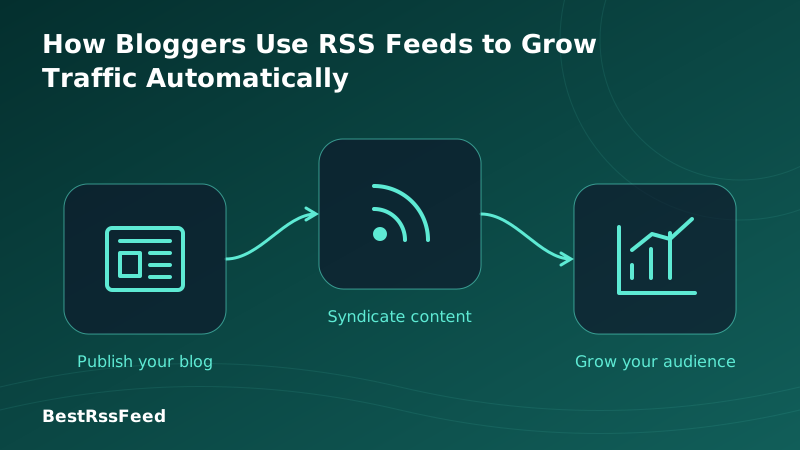
In 2026, consistent traffic is the lifeblood of any successful blog. But manually sharing every post across every platform is unsustainable. Enter RSS feeds—the quiet automation tool used by top publishers to syndicate content, nurture audiences, and drive repeat visitors on autopilot.
This guide reveals exactly how bloggers leverage RSS to grow traffic automatically. From configuring your feed for maximum click-throughs to connecting it with social media and email tools, you'll learn the strategies that turn RSS into a traffic-generating asset.
1. Why RSS Is a Traffic Growth Engine
Many bloggers think of RSS as a legacy technology for feed readers. In reality, it's the backbone of content automation. When configured correctly, your RSS feed acts as a central hub that distributes your content to multiple channels simultaneously.
Unlike social algorithms that hide your content, RSS delivers it directly to subscribers. This creates a reliable baseline of traffic that isn't subject to platform volatility.
Traffic Source Trends (2021–2026)
2. Optimizing Your Feed for Click-Throughs
The biggest mistake bloggers make is serving full-text feeds. If readers can consume your entire article in their feed reader, they have no reason to visit your site.
Feed Type Impact on CTR & Bounce Rate
Best Practices for Feed Content
- Use Summaries: Show the first 150 words plus a "Read More" link.
- Add CTAs: Include a call-to-action at the end of your feed excerpt.
- Featured Images: Ensure your feed includes post thumbnails to increase visual appeal in aggregators.
- UTM Parameters: Append
?utm_source=rssto links for tracking.
3. Automating Social Media with RSS
Consistency is key on social media, but posting manually every time you publish is time-consuming. RSS allows you to automate this workflow completely.
The Automated Traffic Flywheel
Set it once. Publish content. Let RSS distribute it everywhere automatically.
Top Automation Tools for Bloggers
| Tool | Ease of Use | Cost Value | Features | Reliability |
|---|---|---|---|---|
| IFTTT | 90% | 85% | 70% | 75% |
| Zapier | 85% | 60% | 95% | 90% |
| BestRSSFeed | 95% | 90% | 88% | 92% |
| WordPress Jetpack | 80% | 75% | 65% | 85% |
| Manual Posting | 20% | 100% | 100% | 100% |
4. RSS-to-Email: The Newsletter Hybrid
Email marketing has one of the highest ROIs, but writing newsletters takes time. RSS-to-Email automation solves this by turning your blog posts into newsletter issues automatically.
Services like Mailchimp, ConvertKit, and BestRSSFeed can watch your feed and email subscribers whenever you publish. This keeps your audience engaged without extra writing effort.
Time Saved: Manual vs. Automated Workflows
5. Submitting to Aggregators & Directories
Beyond your own site, your RSS feed can be submitted to content aggregators. These platforms have built-in audiences searching for content in your niche.
Key platforms to submit to include Feedly, Flipboard,Bloglovin' (for lifestyle), and niche-specific directories (e.g., Techmeme for tech, RealClearPolitics for news).
Adoption by Blog Niche
Not all niches use RSS equally. Tech and Finance lead the pack, but there's significant opportunity in lifestyle and education sectors where competition is lower.
RSS Automation Adoption by Niche (2026)
6. Tracking & Analytics: Measuring RSS ROI
You can't improve what you don't measure. Since RSS traffic often shows up as "Direct" in Google Analytics, you need to implement proper tracking.
- UTM Tagging: Use plugins to append
utm_source=rssto all feed links. - Feed Stats: Use services like BestRSSFeed that provide click analytics directly within the dashboard.
- Conversion Tracking: Set up goals in Analytics to see if RSS visitors subscribe or purchase.
7. How BestRSSFeed Enhances Blogger Workflows
At BestRSSFeed, we've built specific features to help bloggers maximize traffic from their feeds:
- Smart Widgets: Embed your latest posts on other sites or partner blogs to drive referrals.
- Auto-UTM Injection: Never forget tracking parameters again; we add them automatically.
- Feed Validation: Ensure your feed passes all checks so aggregators accept it without issues.
- Content Repurposing: Easily convert feed items into social cards or newsletter snippets.
RSS-to-Email
Convert feed items into newsletter emails automatically. Readers who prefer email get updates without you writing a separate newsletter.
Social Syndication
Push new posts to Twitter, LinkedIn, and Facebook instantly. Keeps social channels active even when you're busy writing.
Aggregator Submission
Submit your feed to Feedly, Flipboard, and niche directories. Captures audiences actively searching for your topics.
Tracking & UTM
Append UTM parameters to feed links. Know exactly how much traffic RSS drives vs. social or search in Google Analytics.
8. Frequently Asked Questions
9. Conclusion
RSS feeds are more than just a way for readers to subscribe—they're a powerful automation tool for bloggers. By optimizing your feed, connecting it to social and email platforms, and tracking performance, you can build a sustainable traffic engine that works 24/7.
In 2026, where attention is scarce and algorithms are unpredictable, owning your distribution channel via RSS is a strategic advantage. Start implementing these strategies today to watch your traffic grow automatically.
Ready to automate your blog traffic?
Use BestRSSFeed to optimize, track, and syndicate your content effortlessly.
Start Free Trial